
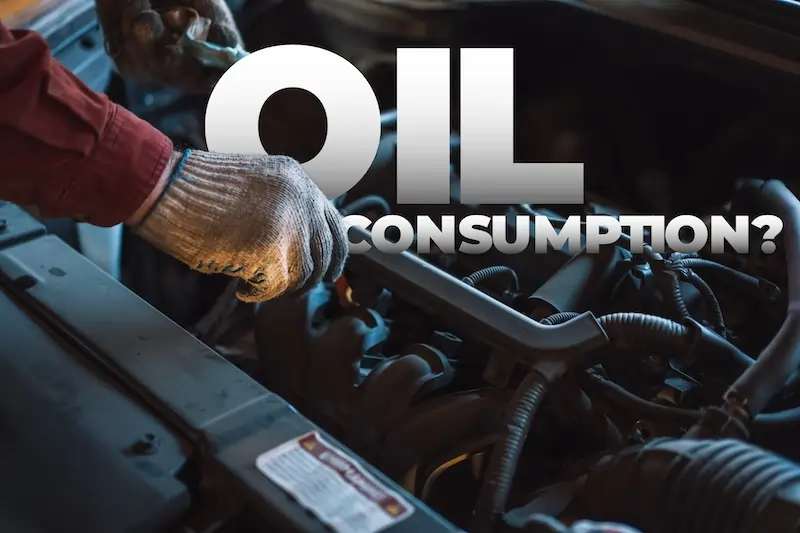
Your vehicle’s performance is influenced by more than just its fuel quality or service frequency. The coolant system, and specifically the coolant’s effectiveness, plays a crucial role in sustaining the engine’s optimal health. A seldom-addressed impact of subpar coolant performance relates to engine oil. In this piece, we illuminate the subtle yet profound connection between overheating and oil’s health.
The Link Between Heat and Oil Breakdown
For every vehicle enthusiast, engine oil is recognized as the guardian that ensures fluid movements of parts, minimizes wear, and guarantees operational ease. Yet, the concept of ‘oil oxidation’ might be new to many. In essence, it pertains to the oil’s chemical decay when confronted with oxygen under high temperatures. This deterioration is heightened when heat isn’t efficiently managed, culminating in oil’s reduced efficiency and sludge buildup.
With every rise in temperature by 18°F (10°C), the rate of oxidation is amplified twofold. For individuals behind the wheel of contemporary turbocharged automobiles, this statistic is particularly concerning. These modern vehicles inherently produce more heat than their older counterparts, making them potentially more susceptible to oxidation-related issues.

A Chain Reaction: Overheating Leading to More Oil Usage
The correlation between superheated oil and its implications on the engine is straightforward and evident. When oil succumbs to excessive temperatures, it undergoes oxidation, losing its essential lubricating properties. As this compromised oil circulates, it can’t provide the necessary lubrication, leading to increased friction among the engine’s moving components.
This friction, over time, results in significant wear and tear, particularly concerning the tight clearances between piston rings and cylinder walls. As these parts wear down, larger gaps develop. This wear means that piston rings can no longer scrape off excess oil efficiently, leaving behind a more substantial oil film on the cylinder walls. During the engine’s combustion process, this excess oil then mingles with the fuel. Consequently, it burns and is expelled into the exhaust system. This not only leads to increased oil consumption but also affects overall engine performance and efficiency, pushing vehicle owners towards more frequent and potentially costlier maintenance schedules.
The Critical Role Coolant Plays in Shielding Engine Oil
A vehicle’s cooling system, bolstered by a top-notch coolant, provides multifaceted protection that transcends just warding off excessive engine heat. At its core, it serves as the vanguard for preserving the integrity and longevity of your engine oil.
Stability is paramount in engine operations. An effective coolant ensures that the engine operates within its ideal temperature range, thus reducing instances of temperature spikes that can compromise engine oil’s efficacy. By preventing these overheats, the coolant ensures that the oil retains its optimal viscosity, critical for smooth engine operation.
Furthermore, by maintaining this delicate temperature balance, the coolant mitigates the risks associated with oil oxidation—a primary cause for the deterioration of its lubricating attributes. This proactive intervention by the coolant not only sustains the oil’s lubricative properties but also translates to longer intervals between necessary oil changes, promoting engine health and cost savings in the long run.
In essence, while the primary function of a coolant is to manage engine temperatures, its secondary, yet equally vital role, is to act as a shield for engine oil, making sure it performs consistently at its best. Investing in a premium coolant thus becomes a strategic move for any vehicle owner prioritizing engine longevity and performance.
The Inference: Prioritize Quality for Extended Advantages
Should your car exhibit excessive oil usage patterns, evaluating your coolant’s efficacy is a logical step. Inadequate coolants can inadvertently exacerbate the issue by not maintaining an ideal engine temperature. While top-grade coolant might seem pricey initially, the long-term dividends in terms of prolonged engine lifespan, fewer oil replacements, and peak performance justify the expenditure.
Wrapping up, realizing the often underappreciated association between coolant efficiency and engine oil vitality can revolutionize how you approach vehicle care. As purveyors of elite cooling solutions, we accentuate the value of embracing solutions that holistically cater to your engine’s well-being. Safeguard your vehicle, enjoy seamless journeys, and importantly, enhance your engine oil’s lifespan!