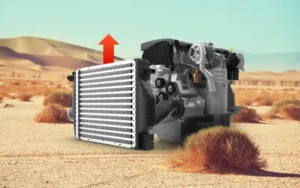
In the intricate orchestra that is your vehicle’s engine, each component plays a pivotal role. Yet, while most drivers understand the importance of oil changes and brake inspections, few recognize the significant threats posed to cooling system components by elevated temperatures. This article delves deep into the ways excessive heat affects the durability and functionality of rubber and plastic parts within the cooling system, and the subsequent repercussions for the vehicle.
The Science Behind Heat and Material Deterioration
Every component within an engine, be it metallic or synthetic, undergoes wear and tear over time. However, the vulnerability of rubber and plastic elements to excessive temperatures often goes unnoticed. These materials—fundamental in an array of automotive applications—are primarily made up of polymers, intricate structures formed from long chains of repeating molecular units.
When exposed to high temperatures, these molecular chains face immense stress. The thermal energy acts like a chaotic force, agitating and breaking the bonds that hold these chains together. This molecular disruption manifests in several ways:
Loss of Elasticity: One of the primary attributes of rubber is its elasticity – the ability to return to its original form after being stretched or compressed. As heat affects the molecular structure, rubber begins to lose this vital characteristic, making it less adaptable to the dynamic conditions within an engine.
Diminished Strength: Plastic components are prized for their combination of lightness and durability. Yet, with consistent exposure to high temperatures, these parts begin to weaken. They may become brittle, prone to cracking, or even warping – alterations that can jeopardize their primary function.
Functional Integrity at Risk: As these materials lose their inherent properties, their overall performance is compromised. For instance, a hose that’s lost its elasticity might not fit securely, leading to leaks. A brittle connector could snap under pressure, causing system failures.
Understanding this science is essential because it underscores the importance of maintaining an environment where these materials can function optimally. While they’re designed with a certain tolerance for heat, pushing them beyond their limits consistently will inevitably lead to premature failure, leading to additional costs and potential hazards.
Hoses and Connectors: Silent Sufferers in the Heat Battle
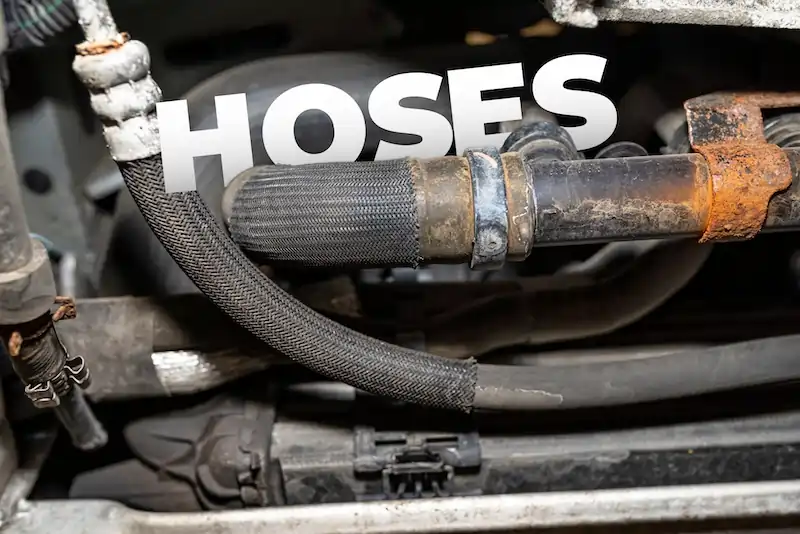
Delve into the intricacies of a vehicle’s cooling system, and you’ll discover that hoses and connectors are the unsung heroes ensuring seamless operation. These pivotal components, usually crafted with meticulous precision, have an inherent durability meant to provide reliable service for many years. However, beneath the exterior sheen, they bear the brunt of thermal stress day in and day out.
Longevity Under Threat: The remarkable endurance of hoses and connectors is commendable. In an ideal environment, a hose designed for longevity can effortlessly serve for upwards of seven years. Yet, when continuously subjected to extreme temperatures, this lifespan can be halved. The difference between a seven-year lifespan and a three to four-year one isn’t just time—it’s a testament to the toll excessive heat exacts on these components.
A Visible Transformation: The impact of heat isn’t always immediately evident. Over time, subtle signs begin to emerge. A once flexible hose starts to harden; connectors that were once snugly fit might loosen or become brittle. These are not mere cosmetic issues. They’re early warnings, signaling that the component’s functional capabilities are eroding.
The Domino Effect: The compromise of one hose or connector can trigger a cascade of problems within the cooling system. For instance, a weakened hose might burst under pressure, leading to coolant leaks. A compromised connector might fail to maintain a secure link, interrupting the coolant flow. Such disruptions don’t just affect the cooling system; they can have ramifications for the entire engine’s performance and health.
In essence, while hoses and connectors might seem like static, enduring parts of a cooling system, they’re continually working, adapting, and, unfortunately, degrading when exposed to relentless heat. Recognizing their silent suffering is the first step in ensuring their protection and, by extension, the optimal performance of the vehicle’s cooling system.

Coolants: The Unsung Protectors of Engine Health
avigating the intricate maze of vehicular heat management, it’s easy to hastily assign blame to the inherent fragility of certain materials when they fail. Yet, often lurking in the shadows as the silent antagonist is subpar coolant. Here’s an exploration of the indispensable role coolants play in defending engine components:
Beyond Temperature Extremes: At first glance, coolants seem to play a basic role—fending off freezing in chilly conditions and warding off overheating during heatwaves. However, their duty runs deeper. A top-tier coolant works tirelessly to ensure engine temperatures remain stable, consistently within the ideal operational zone.
Guarding the Gatekeepers: Integral to the cooling system, rubber and plastic components have specific temperature boundaries. Breaching these limits, even briefly, can kickstart rapid deterioration. By steadfastly maintaining a temperature balance, a superior coolant acts as a shield for these pivotal components, guarding them from the detrimental impacts of temperature swings.
Preserving Elasticity with PROTEX3: Our PROTEX3 coolant formulation is distinctively engineered to nurture and maintain the elasticity of rubber and plastic parts within the cooling system. This not only ensures they retain their structural integrity but also fends off the looming shadow of premature repairs.
The Lifespan Extension Effect: Under the protective embrace of a high-grade coolant like PROTEX3, these components are safeguarded from harmful thermal stresses, naturally elongating their operational lifespan. Envision this as a protective sanctuary created by the coolant; within its confines, these parts can function at peak performance, untouched by undue thermal strains.
In a nutshell, while components like hoses and connectors stand as the frontline troops combating heat, the coolant is their robust shield, fortifying their defenses and bolstering their longevity. Prioritizing a high-quality coolant such as PROTEX3 isn’t merely about optimizing immediate engine performance; it’s a strategic investment to uphold the integrity and longevity of the entire cooling system.
Signs of Trouble: Recognizing Component Fatigue
Crackling on hoses or brittle connectors is more than a mere superficial concern. It’s a harbinger of deeper, impending troubles. These visible red flags alert drivers to the fact that these critical components, which were once resilient and robust, are now approaching the twilight of their operational existence.
However, the onset of component fatigue isn’t always blatantly apparent. Sometimes, the signs are subtler, yet equally urgent. Seepage around hose connections is a prime example. This slight leakage might seem inconsequential at first glance, but it indicates a compromised seal, which can escalate into more substantial leaks if not addressed promptly.
Furthermore, hoses may exhibit soft spots or areas of bulging. While these anomalies may be easy to overlook during cursory inspections, they are vital indicators of internal deterioration and potential weak points that might rupture under pressure.
Additionally, the cooling system might communicate distress through auditory cues. Unusual noises, such as whistles, hisses, or gurgling sounds, can be symptomatic of air entering the system or obstructions within the pathways. Both scenarios can severely compromise the efficiency and safety of the cooling operation.
In sum, vigilance in detecting these early symptoms can stave off bigger complications. Regular inspections and proactive maintenance can ensure that minor concerns don’t evolve into major, more costly issues.
Prevention and Maintenance
Understanding the intricacies of your vehicle’s cooling system and the potential pitfalls is foundational. With the complexities of modern vehicles, a proactive approach anchored in knowledge is pivotal. By recognizing the critical role that maintaining a stable engine temperature plays, you position your vehicle for optimal performance and longevity.
Choosing the right coolant is not merely a routine decision; it’s a strategic one. A high-quality coolant not only protects against temperature extremes but also contributes to the overall health of the system. It aids in preserving the structural integrity of hoses, connectors, and other components, ensuring they function seamlessly for extended periods.
Moreover, it’s essential to remember that regular inspections of hoses and connectors are not just routine maintenance activities but are integral to the health of your car. These inspections are your first line of defense against unforeseen breakdowns and expensive repairs. Any sign of wear, cracking, or brittleness should be taken seriously. In some cases, waiting until the manufacturer’s ‘recommended’ replacement time might be too late, especially if the component is already showing signs of fatigue.
Being preemptive in component replacement not only helps in preventing sudden malfunctions but also prolongs the life of adjacent parts. A compromised hose, for instance, can put undue strain on connectors or other parts of the cooling system, leading to a cascading effect of issues.
In essence, the path forward lies in preventive care. Investing time in routine inspections and ensuring the use of quality coolants can dramatically extend the lifespan of your vehicle. The goal isn’t just to stave off malfunctions; it’s to guarantee that your vehicle operates at its peak, offering you reliability and peace of mind for years to come.
Conclusion
In conclusion, while the intricacies of a vehicle can seem overwhelming, understanding the vulnerabilities of its cooling system components and the role of coolants in mitigating potential threats is paramount. Elevated temperatures might be an unseen enemy, but with proper care and proactive measures, their damaging effects can be significantly curtailed. Remember, a well-maintained cooling system isn’t just good for your vehicle; it’s an investment in safe, efficient, and reliable driving.